

Mining, construction, utilities and healthcare professionals choose Ideagen when worker safety directly impacts corporate reputation and operational success. With comprehensive lone worker protection for the 15% of workers operating alone, you need Enterprise Protection Platform intelligence that orchestrates protection across all your locations.
Lone worker monitoring for enhanced isolated worker safety
Over 15% of the global workforce operates alone, and fatigue plus isolation create safety incidents that traditional monitoring discovers too late. Manual tracking creates blind spots where exhausted workers operate heavy machinery and isolated personnel face emergencies without backup. When response time determines outcomes, relying on manual check-ins isn't strategy—it's hoping nothing goes wrong.
Ideagen Workforce Safety's Enterprise Protection Platform transforms lone worker monitoring from reactive guesswork into intelligent lone worker protection that preserves your corporate reputation whilst ensuring workers go home safely.
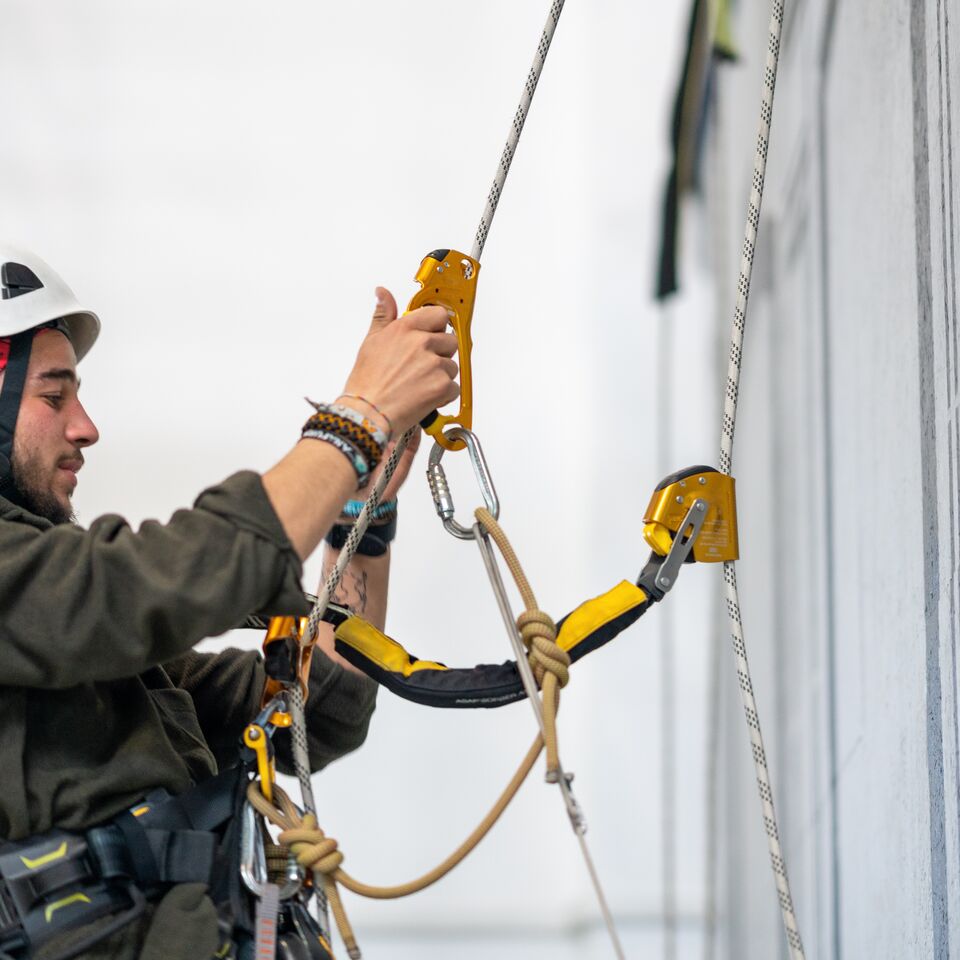

Ideagen's smart fatigue and lone worker monitoring system
Real protection doesn't wait for workers to ask for help. Our Enterprise Protection Platform orchestrates monitoring systems and locations to ensure the right safety resources are in the right place at the right time.
App-based service provides 24/7 monitoring with real-time emergency response that works wherever responsibilities take workers—from healthcare professionals on home visits to field workers in utilities and construction. Embedded, contextual and pervasive intelligence within our fatigue management system analyses fatigue patterns and location data whilst integrated hardware provides seamless tracking that maximises performance without compromising isolated worker safety.
When fatigue risk assessment identifies workers deviating from safe patterns, intelligent alerts activate response protocols automatically, delivering 50-70% faster response times.

No systematic monitoring of worker hours and fatigue levels
Tired workers make dangerous decisions that threaten your financial health and operational continuity. Without intelligent fatigue monitoring, you're trusting exhausted people to police themselves when corporate reputation is at stake.
Ideagen Workforce Safety's comprehensive fatigue management system monitors work patterns across multiple sites through integrated mobile technology, automatically flagging risky situations whilst enforcing fatigue rules that prevent overwork. Our platform performs continuous fatigue risk assessment, recognising normal patterns for each worker, then alerts you when behaviour turns concerning—delivering outstanding business value through proactive workforce protection.
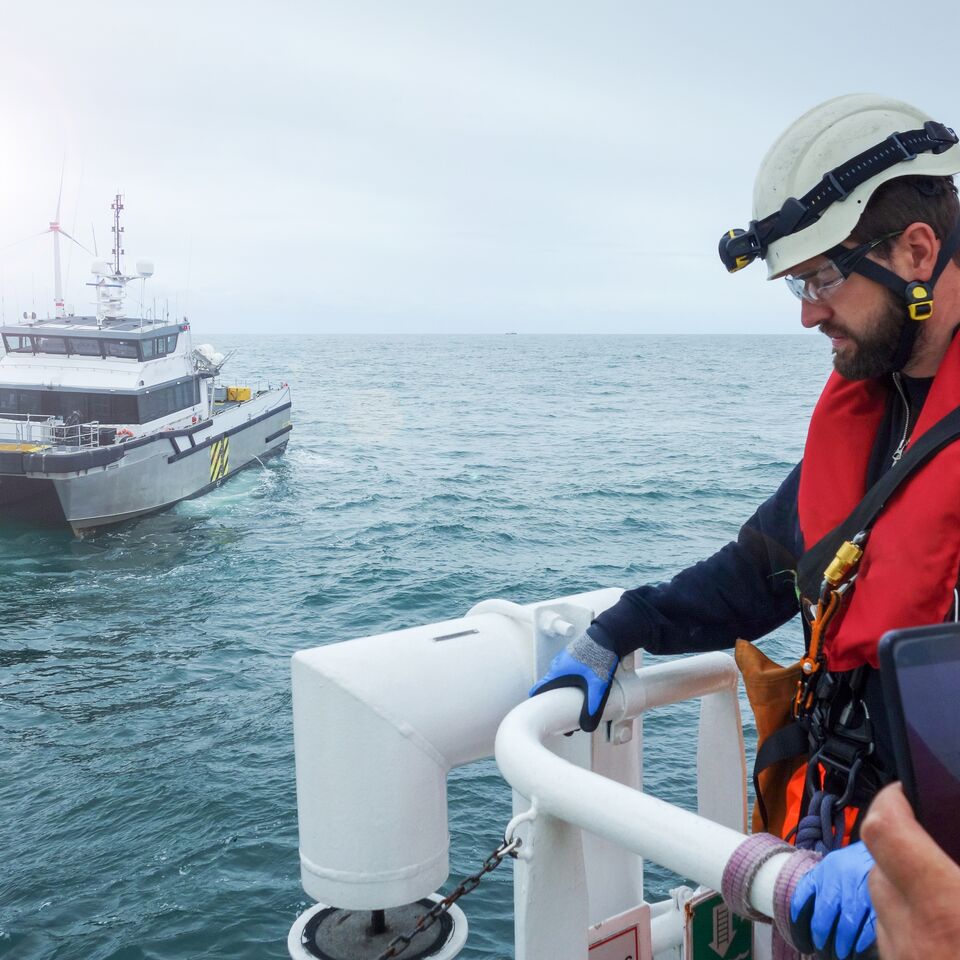
Limited visibility of remote or isolated workers compromising isolated worker safety
With 15% of workers operating alone, isolated worker safety becomes critical as lone workers face emergencies in blind spots where help can't reach them quickly enough, creating liability risks that threaten corporate reputation. Basic tracking fails when workers need rescue most—during critical moments when they can't activate panic buttons.
Ideagen's comprehensive lone worker monitoring recognises distress patterns, escalating alerts when workers deviate from safe patterns or miss check-ins. App-based service with 24/7 monitoring and real-time emergency response activates before workers need to ask for it, providing integrated lone worker protection wherever their responsibilities take them.

Delayed response to worker emergencies or incidents
Emergency response delays can devastate your reputation and threaten business continuity across distributed workforces. Traditional systems wait for workers to press buttons—assuming they're able to when trouble strikes.
Ideagen's contextual intelligence detects potential emergencies through pattern recognition whilst 24/7 lone worker monitoring ensures continuous oversight, automatically activating response teams and opening emergency access routes. Pervasive monitoring that responds faster than manual processes, maximising workforce performance whilst protecting your most valuable resources.








Request a demo today