















Workplace noise monitoring to prevent occupational hearing loss

Nothing derails operational plans quite like an unexpected noise violation notice.

Your operators are recording readings they don't fully understand, compliance data lives across disconnected systems and community complaints arrive faster than your monitoring can predict them. Meanwhile, regulatory thresholds keep tightening whilst leadership demands proof that your occupational noise assessment programme actually prevents problems rather than just documents them.

Ideagen transforms proven industrial workplace noise monitoring with embedded, contextual and pervasive AI intelligence that spots compliance risks before they become costly violations.

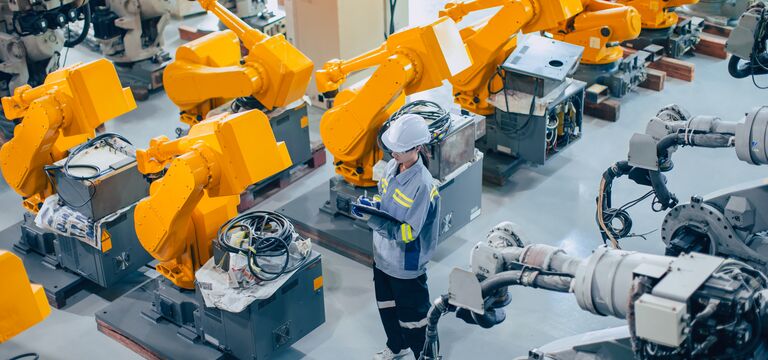
COLOUR-IMAGE_aviation-airport-workers_feb26
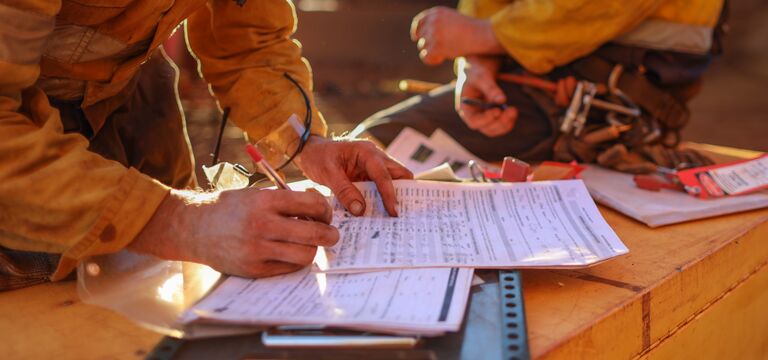
COLOUR-IMAGE_automotive-male-mechanic-using-angle-grinder-on-car-body_feb26

Ideagen's smart workplace noise monitoring system

Stop chasing noise violations after they happen. Our certified acoustic monitoring system with EMU (Environmental Monitoring Unit) hardware delivers compliance-grade real-time analysis engineered for challenging industrial conditions, enhanced by Ideagen's contextual AI intelligence that automatically classifies noise events, filters external sources and handles routine analysis so you can focus on operational decisions that actually prevent problems. 

You shouldn't get blamed for noise you didn't create—trucks idling outside fence lines, aircraft overhead, construction next door. Our AI-powered technology pinpoints, classifies and filters out external noise sources whilst your operators, who aren't noise specialists, record critical readings that determine sound level compliance status.

AI-enhanced semantic search finds relevant historical data even when exact terminology doesn't match, whilst automated workflow orchestration handles multi-step reporting processes and escalates issues based on your specific operational patterns. This delivers 50-70% faster response times to emerging noise risks whilst ensuring accurate compliance records that protect your reputation. 

COLOUR-IMAGE_construction-worksite_Apr26

Inconsistent measurement protocols across sites

Different equipment, varying protocols, multiple locations creating data chaos whilst critical exposure patterns develop undetected during occupational noise assessment until violations arrive.

Mining and industrial operations get blamed for noise they didn't create—aircraft overhead, heavy vehicle traffic, nearby construction—whilst community relations suffer and programmes get questioned.

Our standardised platform ensures consistent measurement protocols with EMU hardware that thrives in harsh industrial conditions, automated calibration reminders and AI-powered noise event classification that proves exactly what's making noise and what's not.

Our AI platform summarises protocols and compliance status instantly, catching errors before they compromise your workplace noise monitoring programme. 

COLOUR-IMAGE_aerospace&defence-female-engineer_feb26

Manual compliance reporting consuming resources

Endless calculations, missed deadlines and proving programme effectiveness whilst non-specialists input critical information creates documentation gaps that concern auditors and stakeholders. Manual processes mean uncertainty about sound level compliance whilst community expectations demand transparent noise management.

24/7 monitoring captures comprehensive data whilst AI automation delivers reports based only on your facility's noise—never blamed for sounds outside your control. Custom rules send reliable compliance updates to regulators automatically, delivering 30-50% reduction in routine documentation tasks whilst the platform delivers comprehensive noise exposure tracking by interpreting complex exposure data and connecting insights directly to corporate objectives. 

COLOUR-IMAGE_aerospace&defence-aerospace-engineer-on-raised-platform_feb26

Fragmented monitoring equipment and data silos

Disconnected devices and scattered data create visibility gaps where compliance risks develop whilst community complaints brew unnoticed, escalating into operational disruptions and damaged community relations that threaten your social licence to operate.

Our integrated acoustic monitoring system with EMU hardware delivers compliance-grade data from challenging industrial conditions with remote monitoring that detects outages in real-time. The AI-powered platform pulls data into centralised dashboards with 24/7 tracking, providing noise exposure tracking by analysing datasets to identify acoustic risks before they escalate, whilst our community engagement portal opens transparent conversations with local communities through public-facing interfaces that build trust and demonstrate environmental responsibility. 

Trusted by environmental professionals who get results

Ideagen removes the complexity so your teams can prevent incidents, not just document them.

BADGE-G2_Q4-fall-2025-ideagen-quality-management_QualityManagement(QMS)_Leader_Leader_sep25
BADGE_G2-summer-2025-ideagen-quality-management-leader-leader_jun25
BADGE_G2-spring-2025-quality-management-QMS-leader_mar25
BADGE-G2_Q4-fall-2025-ideagen-quality-management_MedicalQMS_Leader_Europe_Leader_sep25
BADGE_G2-summer-2025-ideagen-quality-management-leader-emea-leader_jun25
BADGE_G2-spring-2025-quality-management-medical-QMS-leader-EMEA-leader_mar25

Request a demo today

Environmental managers at industrial operations where noise compliance directly impacts operational continuity and community relations choose Ideagen's platform with embedded AI intelligence when precision matters more than promises.

When regulatory inspections can shut down operations and community relations determine your licence to operate, you need workplace noise monitoring intelligence that prevents problems rather than just measures them. 

Idaho National Laboratory (INL)

INL is one of Idaho's largest employers and the nation's leading center for nuclear energy research and development. Its work supports the US Department of Energy's mission to discover the solutions to power and secure America's future. Quality assurance and regulatory compliance are central to the lab's operations.

Reducing the operational burden of odor complaint investigation at waste & wastewater facilities

How better data can cut investigation time, resolve complaints faster and recover staff hours

The growing challenge of community odor management for publicly operated waste & wastewater facilities

Why complaint volumes are rising - even when operations are sound

Why 'filling conservatively' is not a safe option

Every March 1, EHS teams file their Tier II reports under EPCRA Section 312 — most with data they've spent weeks trying to reconcile. This guide covers what the report requires, where state obligations add complexity and the filing mistakes that create compliance gaps even when teams think they're covered.

US Department of Energy

The DOE's Hanford Site in Washington State is one of the most complex nuclear clean-up projects in the world.

Maximizing container-level accuracy with RFID

Container-level accuracy isn't just a compliance prerequisite. It's the foundation of better EHS decision-making.

Your EHS data is trying to tell you something. Are you listening?

Post-event reflection from Safety on the Edge

RFID vs. barcode tracking in chemical inventory management

Is your tracking system built for the scale you're operating at? The question isn't whether barcodes work. It's whether they're working hard enough for your operation.

Why global chemical compliance breaks down at scale and what to do about it

Every year, sustainability and EHS teams at global manufacturers face the same reckoning: REACH is due, RoHS submissions need filing, and the data simply isn't ready.

How RFID enhances the chemical management system lifecycle

Manual chemical tracking creates lifecycle blind spots. Discover how RFID delivers the continuous visibility regulated environments demand.