












Geo-fencing safety system for enhanced site security

Safety risks develop in the spaces you can't monitor. Every undetected zone entry represents a failure of visibility, every delayed response a missed opportunity to prevent incidents. When site supervisors are managing safety through partial information rather than complete intelligence, routine operations become potential crisis situations. Traditional monitoring creates information silos where critical location data gets lost whilst emerging risks develop unnoticed.

Ideagen's comprehensive geo-fencing safety systems with embedded, contextual and pervasive AI intelligence deliver location-based safety monitoring with 50-70% faster response times for critical safety issues and 15-30% reduction in safety incidents through proactive intervention.

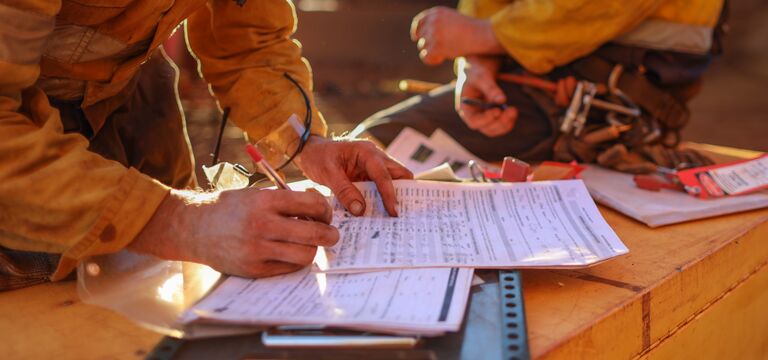
COLOUR-IMAGE_construction-pre-start-phone_Apr26
COLOUR-IMAGE_aviation-plane-groundsman_feb26

Ideagen's smart geo-fencing safety system

Real safety control happens when your perimeters work as intelligently as your people do. Our advanced geo-fencing safety systems go beyond simple dot-on-a-map tracking—they deliver location-based safety monitoring that reads complex movement patterns like a site safety expert, learning your operational reality to flag potential issues before they spiral into incidents. 

Your site supervisors are safety professionals, not GPS technicians, yet they're often stuck managing zone access through manual processes that create exactly the visibility gaps that threaten operations. AI-enhanced semantic search cuts through documentation chaos to surface relevant historical data even when descriptions don't match exactly, whilst AI-automated workflows handle complex safety protocols and escalate issues based on patterns the system has learned. This delivers 50-70% faster response times for critical safety issues whilst maintaining the precision standards that define world-class safety operations. 

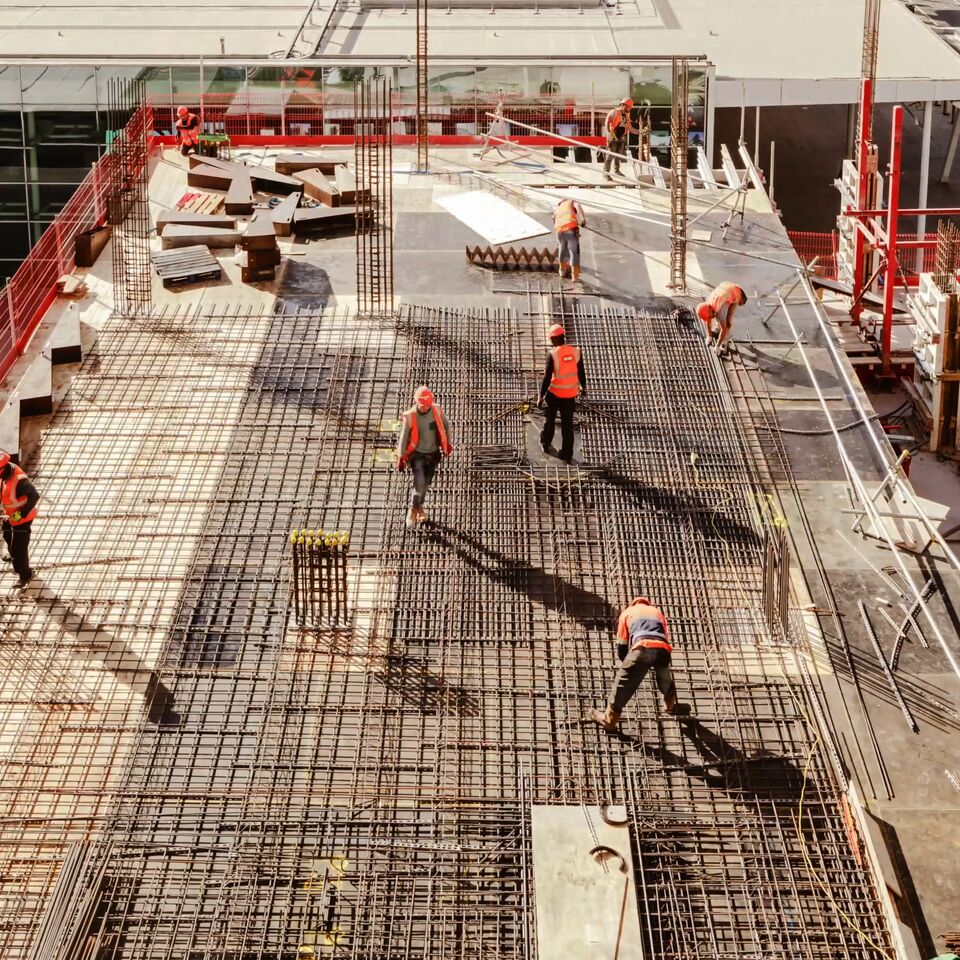
COLOUR-IMAGE_construction-worksite_Apr26

Undetected hazardous zone entries

When workers slip into restricted areas whilst you're operating with partial visibility, you're building compliance gaps that threaten entire operations. Traditional monitoring means discovering zone violations from incident reports rather than preventing them through real-time intelligence, creating exactly the blind spots that turn routine work into emergency responses.

Our automated perimeter safety monitoring creates surgical-precision GPS safety boundaries around hazardous areas whilst AI analyses movement patterns with predictive intelligence that spots trouble brewing before it explodes. Our AI-powered investigation automatically pulls together relevant location and safety data when breaches occur, giving you proactive intelligence that stops incidents instead of just cataloguing them. 

COLOUR-IMAGE_construction-on-roof_feb26

Delayed emergency response

Finding out about safety breaches from incident reports instead of live alerts means you're already playing catch-up on protecting your people. Fragmented safety data creates response delays that cost precious seconds when every moment counts for worker protection.

Our intelligent geographic safety zones trigger immediate response workflows through AI-automated orchestration—safety protocols and emergency procedures activate without manual handoffs whilst AI-enhanced search delivers context-rich access to relevant procedures during critical moments. Your team acts decisively when seconds matter, delivering response times that actually protect people rather than just document problems. 

COLOUR-IMAGE_construction-machines_Apr26

Fragmented location and safety data

Running safety operations without integrated location intelligence means missing the unified view that leadership demands for compliance confidence whilst emerging risks develop across disconnected systems. Traditional approaches create data silos where critical connections between location violations, safety incidents and operational patterns remain invisible until problems escalate.

Our location-based safety monitoring connects seamlessly with your broader EHS ecosystem through Ideagen Hub, automatically weaving together location data with incidents, observations and audit findings. AI interprets these combined datasets with deep safety domain knowledge to reveal high-risk zones and predictive safety indicators, delivering 15-30% reduction in safety incidents through proactive intervention whilst providing the strategic visibility needed for confident decision-making across all sites. 

Trusted by environmental professionals who get results

Ideagen removes the complexity so your teams can prevent incidents, not just document them.

BADGE-G2_Q4-fall-2025-ideagen-quality-management_QualityManagement(QMS)_Leader_Leader_sep25
BADGE_G2-summer-2025-ideagen-quality-management-leader-leader_jun25
BADGE_G2-spring-2025-quality-management-QMS-leader_mar25
BADGE-G2_Q4-fall-2025-ideagen-quality-management_MedicalQMS_Leader_Europe_Leader_sep25
BADGE_G2-summer-2025-ideagen-quality-management-leader-emea-leader_jun25
BADGE_G2-spring-2025-quality-management-medical-QMS-leader-EMEA-leader_mar25

Request a demo today

Safety managers at manufacturing, construction and high-risk operations—where zone violations halt production lines and worker safety drives operational continuity—choose Ideagen's geo-fencing safety system when precision matters more than promises.

When regulatory compliance protects your licence to operate and AI-powered safety intelligence prevents the incidents that make headlines, you need location technology that matches your professional standards rather than creates new problems to solve. 

Idaho National Laboratory (INL)

INL is one of Idaho's largest employers and the nation's leading center for nuclear energy research and development. Its work supports the US Department of Energy's mission to discover the solutions to power and secure America's future. Quality assurance and regulatory compliance are central to the lab's operations.

Reducing the operational burden of odor complaint investigation at waste & wastewater facilities

How better data can cut investigation time, resolve complaints faster and recover staff hours

The growing challenge of community odor management for publicly operated waste & wastewater facilities

Why complaint volumes are rising - even when operations are sound

Why 'filling conservatively' is not a safe option

Every March 1, EHS teams file their Tier II reports under EPCRA Section 312 — most with data they've spent weeks trying to reconcile. This guide covers what the report requires, where state obligations add complexity and the filing mistakes that create compliance gaps even when teams think they're covered.

US Department of Energy

The DOE's Hanford Site in Washington State is one of the most complex nuclear clean-up projects in the world.

Maximizing container-level accuracy with RFID

Container-level accuracy isn't just a compliance prerequisite. It's the foundation of better EHS decision-making.

Your EHS data is trying to tell you something. Are you listening?

Post-event reflection from Safety on the Edge

RFID vs. barcode tracking in chemical inventory management

Is your tracking system built for the scale you're operating at? The question isn't whether barcodes work. It's whether they're working hard enough for your operation.

Why global chemical compliance breaks down at scale and what to do about it

Every year, sustainability and EHS teams at global manufacturers face the same reckoning: REACH is due, RoHS submissions need filing, and the data simply isn't ready.

How RFID enhances the chemical management system lifecycle

Manual chemical tracking creates lifecycle blind spots. Discover how RFID delivers the continuous visibility regulated environments demand.