

Cleaning validation: proving your program works under audit
A 13-step methodology and workbook aligned with BRCGS Issue 9, SQF Edition 10 and the enforced GFSI v2024 benchmark.
The bar has moved across every major food safety scheme at once. BRCGS Issue 9 now requires validation of the effectiveness of cleaning. SQF Edition 10 sharpens the line between validation and verification for sanitation. And under the GFSI Benchmarking Requirements 2024, enforced for all audits from 10 August 2026, cleaning and disinfection programs must have their effectiveness proven. Verification alone no longer satisfies an auditor.
The distinction is simple but decisive. Verification checks you did the clean you documented. Validation proves the clean is capable of removing the hazard. This guide shows how to close that gap.
It walks through the full methodology, the 13 steps to validate a cleaning procedure, from assembling the team to the capability study that proves your SSOPs work over time, with the capability study workbook Ideagen provides alongside it.
Everything you need to validate a cleaning program with confidence
The guide follows a scientific, risk-based method end to end, so you can prove your cleaning works and evidence it for any auditor.
- The difference between cleaning, disinfection, verification and validation, defined against Codex, so your team stops using the terms interchangeably
- When cleaning validation is required, and how to use risk assessment to focus effort where it matters most
- The 13 steps to validate a cleaning procedure, from establishing the validation team to revalidation
- How to run a hazard analysis and risk assessment for cleaning, and categorise programs so you avoid repeating similar validations
- How to write and approve SSOPs that reflect what actually happens on the floor, then validate them over repeated cleaning runs
- How to run a capability study that proves your SSOPs deliver consistent results over time, with the capability study workbook Ideagen provides alongside the guide
BRCGS Issue 9 raised the bar
Clause 8.7.1 moved from testing the effectiveness of cleaning to validating it, with allergen cleaning validation called out separately. Auditors want proof of capability, not just a completed checklist.
SQF Edition 10 separates validation from verification
Edition 10 expects sanitation validation study records, not "we do ATP testing." Auditors now ask whether your method, at your frequency, consistently achieves the required reduction.
GFSI v2024 is now enforced
From 10 August 2026 every GFSI-recognised audit runs against version 2024, which requires cleaning and disinfection programs to be established, maintained and their effectiveness proven (FSM 19.4).
Verification is not validation
A completed cleaning record shows the clean happened. It does not show the clean works. That gap is where allergen incidents, recalls and failed audits live.
How to use this guide
- Align your team on validation versus verification before your next BRCGS, SQF or GFSI audit, so the language in your records matches what auditors expect
- Use the 13 steps as a build sequence for a new validation, or as a gap check against your existing cleaning program
- Risk-assess and categorise your cleaning programs so you validate efficiently rather than repeating similar studies
- Run the capability study with the workbook Ideagen provides alongside the guide to produce validation evidence you can hand straight to an auditor
- Set a revalidation frequency so your validation stays live as products, equipment and suppliers change
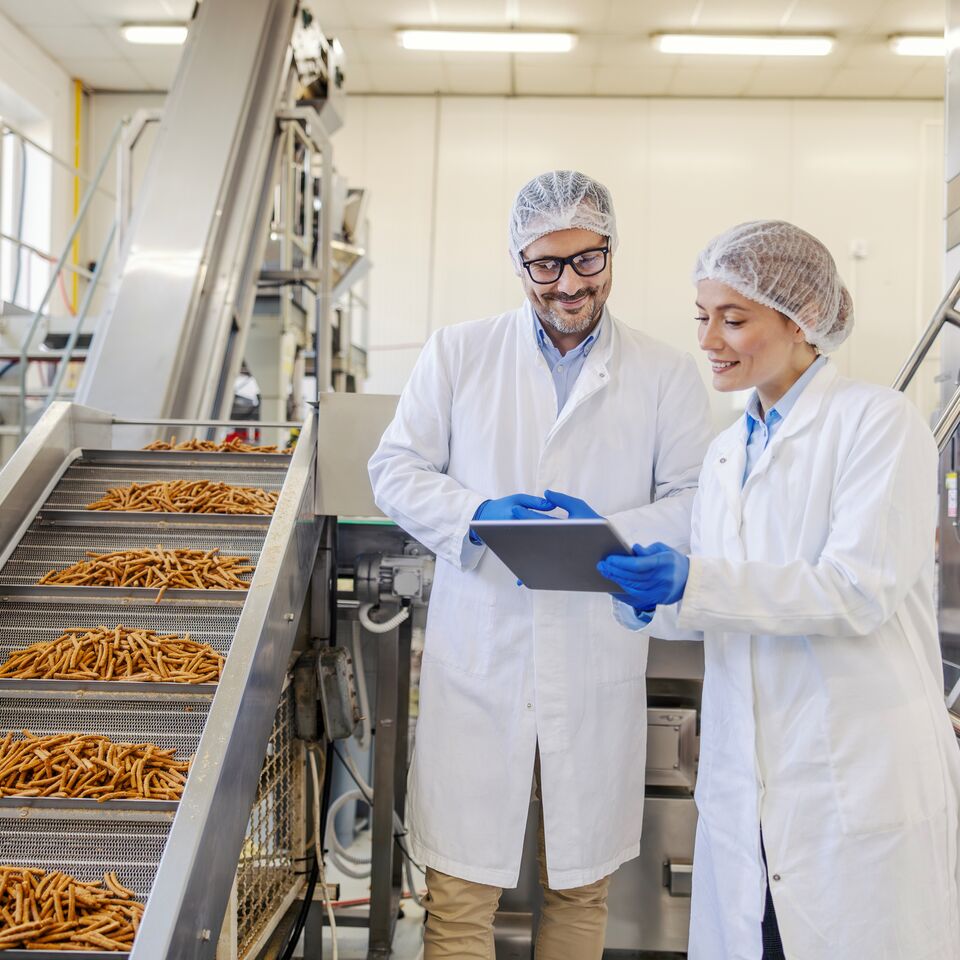
See what validated cleaning looks like in one system
Customers using Ideagen Food & Beverage report a 60% reduction in quality incidents and 45% faster response times, because cleaning records, verification checks and corrective actions live in one connected system rather than across spreadsheets and folders.
Ideagen Food & Beverage holds your SOPs, cleaning schedules, verification checks, monitoring results and corrective actions in one place, with the records retrievable in minutes for any BRCGS, SQF or GFSI audit. Prevention you can prove, from source to shelf.
Trusted by 65% of the world's leading food and beverage brands.