
Thirty minutes, your real challenges, an honest look at how a shared supplier record would work for your range.
Food supplier management software for retail technical teams
Protect your brand from source to shelf: control specifications, manage private label risk and prove supplier assurance, without rebuilding your evidence before every audit.

Your brand's reputation is built in fields, factories and processing plants your customers will never see.
What working with Ideagen actually looks like
65%
of the world's leading food and beverage brands run their food safety, quality and compliance on Ideagen.
49%
of the industry is losing sleep over supply chain risk. Full visibility into suppliers and raw materials changes that.
60%
of businesses flag environmental and climate risks as a concern. You can't report on Scope 3 or CSRD what you can't measure.
75%
of businesses say rising costs are their biggest hurdle. Standardizing quality across every plant means doing more with less, not doing everything twice.
Accountable for products you didn't make yourself
A specification sits in one version at head office and another at the supplier's site. An allergen declaration hasn't been checked since the recipe last changed. A BRCGS due diligence file gets rebuilt from scratch because nobody kept it current between visits. On its own, each of these is manageable. It's this kind of drift that turns a private label recall into a headline, for a product your business didn't even manufacture.
This is built for Retail QA Directors and Heads of Technical, VPs of Quality Assurance and Food Safety, the procurement and sourcing teams who hold the supplier relationships, and the sustainability and ESG managers reporting on what's happening through the tiers.
Growing SKU counts multiplying the specifications, versions and allergen declarations that need to stay current
BRCGS Food Safety, BRCGS Retail and GFSI due diligence evidence rebuilt from scratch before every audit
Supplier risk visibility that stops at your direct suppliers, with food fraud and ethical sourcing risk sitting further upstream
Private label launches racing ahead of the technical sign-off meant to protect them
Modern slavery, animal welfare and deforestation commitments tracked separately from food safety and quality data
Carrying the liability for products you didn't manufacture, with only your supplier's paperwork to go on

One shared record, from specification to shelf
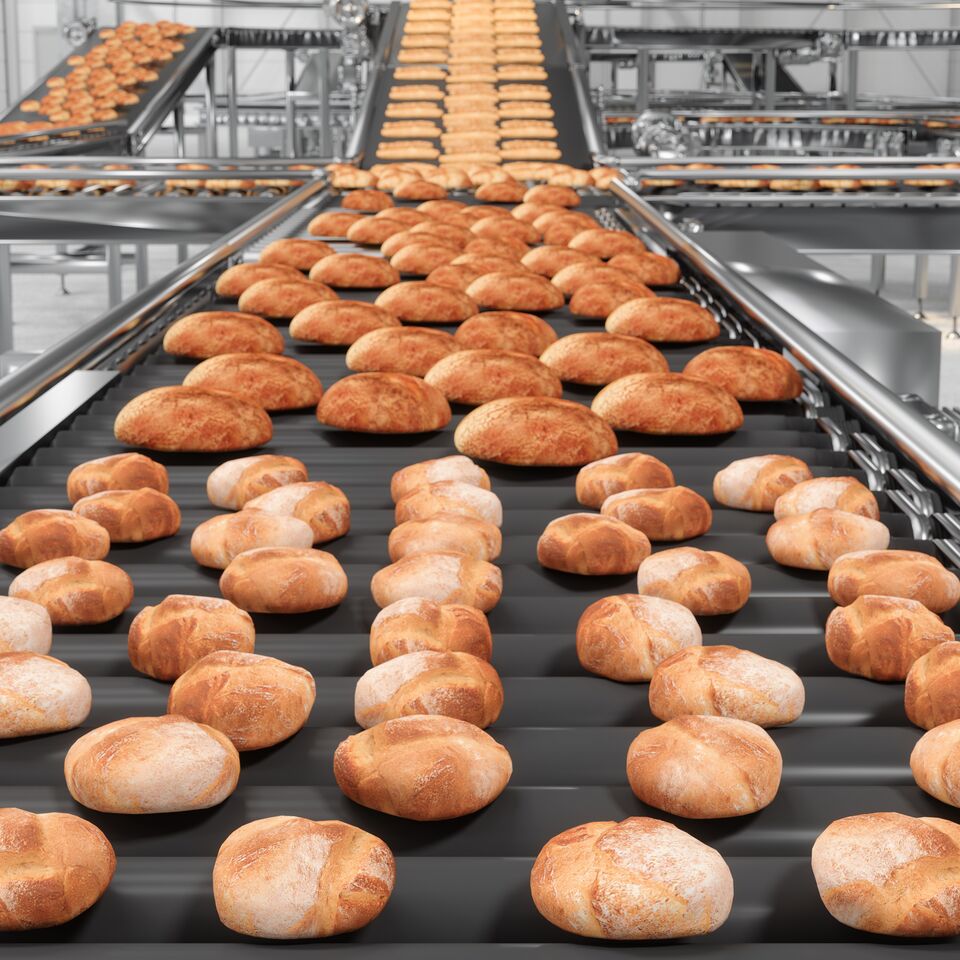
Keeping specifications current as the range grows
Challenge: Every new own-brand line means a new specification to agree, version and keep current, with allergen and sourcing data attached, and the bigger the range gets, the faster that backlog grows.
Solution:
- Version-control every specification and allergen declaration in one place, with a full change history
- Track supplier certification status automatically, with expiry alerts before a lapse becomes a live risk
- Give buyers, technical and suppliers one current version to work from, not the one attached to last month's email
Standing up to a retailer audit, on demand
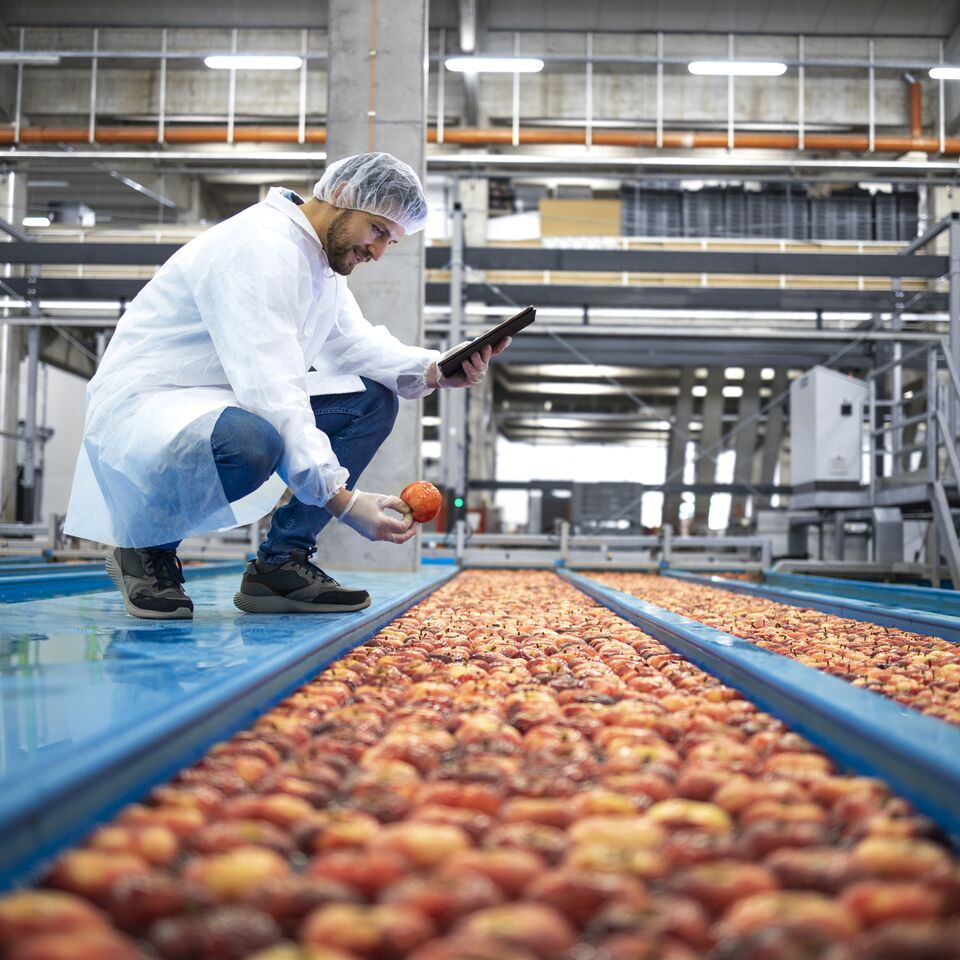
Challenge: BRCGS Food Safety on the supplier side, BRCGS Retail on yours, GFSI acceptance criteria layered on top, and a due diligence file that has to hold up as your legal defense if something goes wrong.
Solution:
- Track BRCGS Food Safety, BRCGS Retail and GFSI acceptance criteria from one record, mapped to the suppliers and specifications they cover
- Build a due diligence file from evidence that's already current, not reconstructed after the fact
- Give buyers, technical and auditors the same evidence base, so nobody is working from a different version of the truth
Getting a private label launch right, and fast
Challenge: You carry the liability for products you didn't manufacture, and a private label launch only moves as fast as the technical sign-off behind it.
Solution:
- Run technical sign-off alongside the supplier, not after them, so the claim on the pack matches the evidence behind it
- Keep a defensible record of what was agreed, checked and signed off for every own-brand line
- See where a launch is genuinely ready versus where sign-off is still open, instead of finding out at the recall stage
Seeing food fraud and ethical sourcing risk before it reaches you
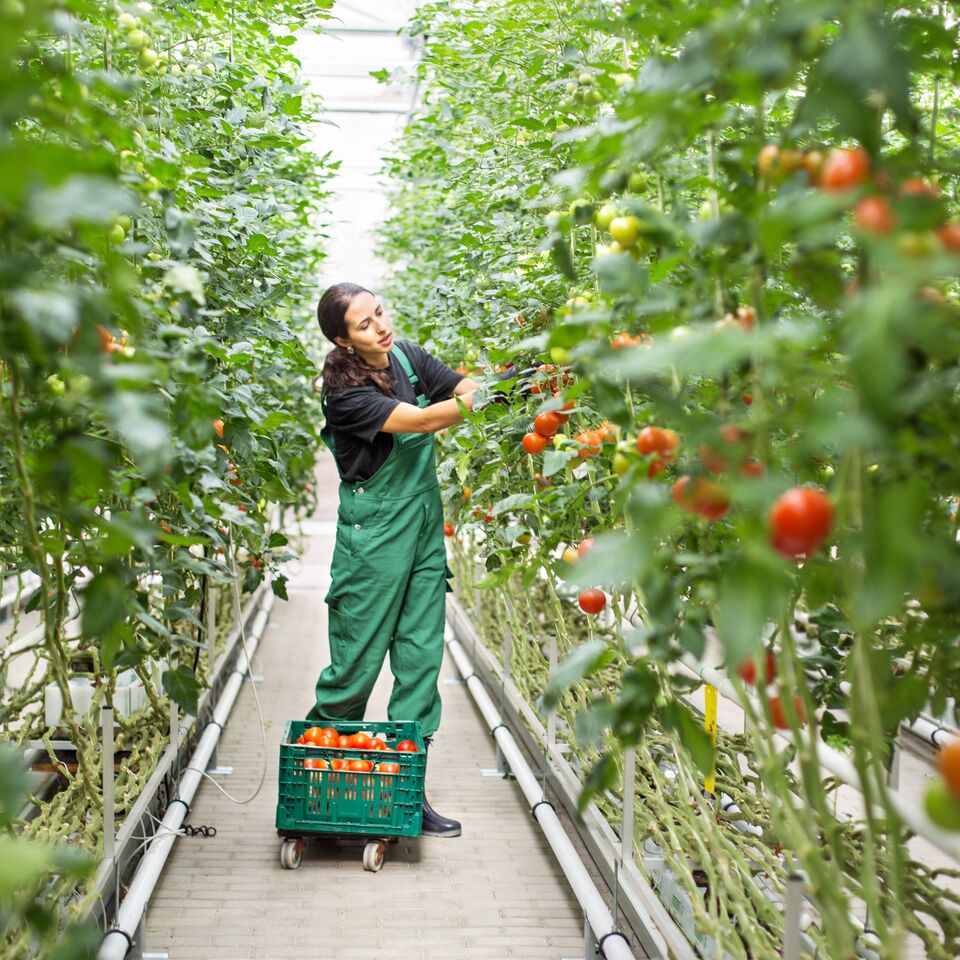
Challenge: Food fraud and ethical sourcing risk rarely show up on a certificate. They show up several tiers upstream, in a supplier's own supplier, exactly where a retailer has the least visibility and the most liability.
Solution:
- Run VACCP and TACCP assessments alongside your existing food safety checks, not as a separate exercise
- Map supplier networks beyond first-tier relationships to support food fraud and modern slavery due diligence
- Hold ethical sourcing and modern slavery evidence in the same record as your specification and audit data

Meeting wholesale, ESG and Scope 3 commitments with evidence
Challenge: CSRD disclosure, Scope 3 reporting and EUDR due diligence are pulling wholesale and ESG data into the same due diligence conversation as food safety, and benchmarks like the BBFAW already score you on it publicly.
Solution:
- Track deforestation-free sourcing for EUDR-relevant commodities alongside your existing supplier records
- Build Scope 3 and CSRD-ready evidence from the supplier data you already hold, rather than a second reporting exercise
- Bring animal welfare and BBFAW-aligned data into the same system as food safety and specification management
One shared record, so procurement, technical and sustainability teams stop working from three different pictures of the same supplier.
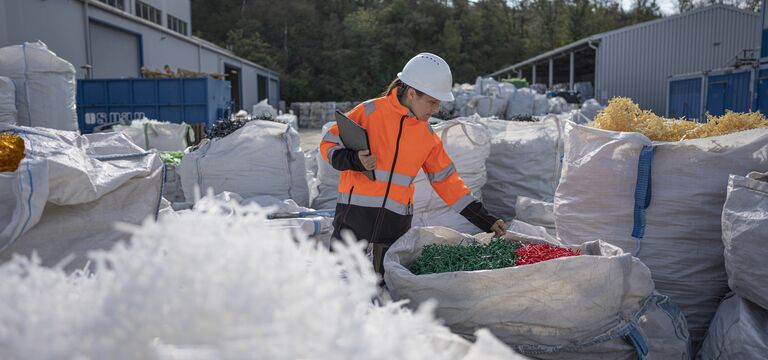
Built for every team working from the same supplier record
Organization type
Technical and quality teams
The specifications and standards, always current
Specifications, certifications and audit evidence live in one place, version-controlled and ready whenever an auditor or a buyer asks.
Organization type
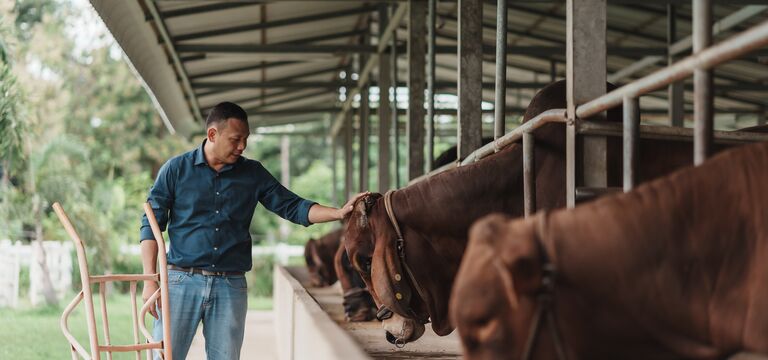
Procurement and sourcing teams
The supplier relationship, backed by evidence
Supplier risk, performance and certification history sit alongside the specifications they're tied to, so a sourcing decision is never made on relationship alone.
Organization type
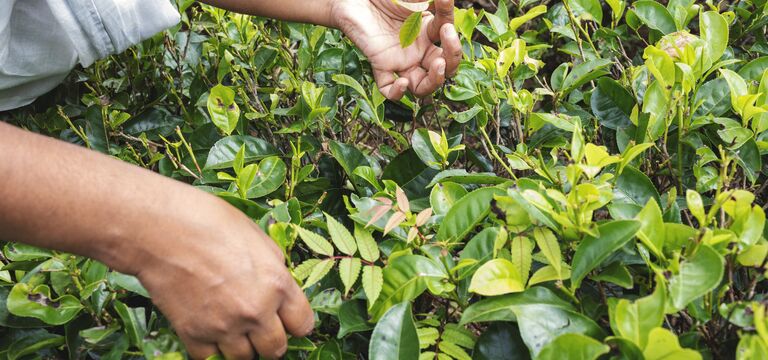
Sustainability and ESG teams
The reporting, built on data you already hold
CSRD, Scope 3, modern slavery and animal welfare evidence draw on the same supplier record as food safety and specification data, not a separate spreadsheet exercise.
In their own words

“
Before Ideagen, gathering supply chain data could take several days. During a recent incident, I ran a report in five minutes to identify which products might be impacted and had a full picture within a couple of hours. That speed in a crisis changes everything.

“
The platform helps us request data from suppliers, verify it, and feed it into the internal tools that ultimately reach our customers, from recipe cards to packaging to our website. We use almost every module: specifications and certifications on a daily basis, assessments for our supplier questionnaires, and dashboards to bring it all together.

“
Before Ideagen, Co-op's technical and supply chain mapping ran across multiple spreadsheets and disconnected systems, making it hard to get a live, holistic view of risk from rising ingredient costs, climate impacts and food fraud. Ideagen Supply Chain brought that data into one live system, and when new intelligence about a potential issue comes in, the team can now check the impact on their supply chain instantly instead of reconstructing it by hand.
See how it works for retail and grocery teams






Frequently asked questions
Ideagen tracks the requirements behind BRCGS, GFSI, EUDR, CSRD, FSMA and the growing set of country and state-level sourcing laws, and maps them onto the supplier and product data you already hold. A new regulation becomes an update to an existing record, not a new spreadsheet and a new project.
Yes. Ideagen supports the supplier-side BRCGS Food Safety standard and the BRCGS Retail standard, along with GFSI acceptance criteria more broadly. Whether your business works to a UK retailer standard or a North American grocery chain's own private label requirements, your team and your suppliers work from one shared evidence base.
Yes. Specification management covers unlimited SKUs and ranges with full version control, so growth in your private label portfolio doesn't have to mean growth in your review backlog.
Ideagen's multi-tier supply chain intelligence helps map your network beyond first-tier suppliers, running VACCP and TACCP assessments alongside food fraud and modern slavery due diligence at the depth EUDR and CSRD expect.
Yes. The same supplier record that carries food safety and specification data also carries responsible sourcing information: forced labor and modern slavery indicators, animal welfare data aligned to benchmarks like the BBFAW, and deforestation due diligence for EUDR. Procurement, sustainability and technical teams work from one shared view of supplier risk instead of separate spreadsheets and sources.
Still have questions?
Ideagen's food and beverage specialists can walk you through the platform, a specific due diligence investigation, or anything else your team is weighing up.