



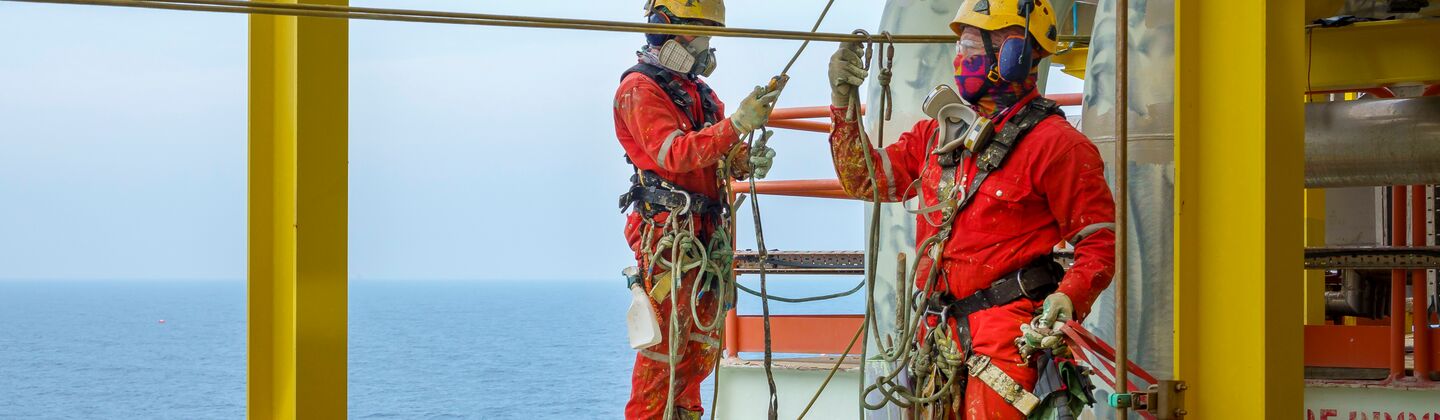
A risk assessment is a structured way to find what could cause harm, judge how likely and how serious it is and decide what to do about it. A risk register is the living record of those risks and the actions against them. This guide shows how to carry out a risk assessment step by step and how to keep a risk register that people use.
What is a risk assessment?
A risk assessment is a systematic process for identifying hazards, evaluating the risk each one presents and deciding on controls. Its purpose is to prevent harm by acting before something goes wrong. Many laws require employers to carry out risk assessments for work activities, so check the rules that apply to each site.
A hazard is something with the potential to cause harm. Risk is the likelihood of that harm combined with how severe it would be. A risk assessment looks at both.
How to do a risk assessment: five steps
Step 1: Identify the hazards
Walk the workplace and look at the tasks, not just the locations. Talk to the people who do the work, because they know where things go wrong. Review incident and near miss records, equipment manuals and safety data sheets. Consider health hazards such as noise, chemicals and stress, as well as safety hazards.
Step 2: Decide who could be harmed and how
List the groups at risk, such as employees, contractors, visitors, members of the public, young workers, new starters and anyone with specific needs. Describe the type of harm, for example a fall from height or long-term exposure to dust.
Step 3: Evaluate the risk and decide on controls
Rate each risk using likelihood and severity. Then choose controls, starting with the most effective option in the hierarchy of controls.
| Likelihood / severity | Minor | Moderate | Major | Fatal |
| Rare | Low | Low | Medium | Medium |
| Possible | Low | Medium | High | High |
| Likely | Medium | High | High | Very high |
| Almost certain | Medium | High | Very high | Very high |
This is an example matrix. Organizations design their own scales, so define each term clearly and use the same matrix across the business. Otherwise two people will rate the same risk differently.
- Elimination: remove the hazard
- Substitution: replace it with something safer
- Engineering controls: guards, ventilation and barriers
- Administrative controls: procedures, training and signage
- PPE: protective equipment as the last line of defense
Step 4: Record the findings and act
Write down the hazards, the people at risk, the controls in place, the remaining risk and any further actions. Give every action an owner and a due date. A finding without an owner rarely gets fixed.
Step 5: Review and update
Review the assessment on a set schedule and whenever something changes, such as new equipment, a new process, a change in staffing, an incident or a near miss. Check that the controls work in practice, not only on paper.
Types of risk assessment
| Type | When to use it | Example |
| Baseline or general | To cover everyday work activities across a site | Office, warehouse or plant-wide assessment |
| Task-based | For a specific job or process | Replacing a conveyor belt |
| Dynamic | When conditions change on the spot | Frontline check before starting work |
| Specialist | When a topic needs expert knowledge | Chemical exposure, noise or manual handling |
Common risk assessment mistakes
- Copying a generic template without adapting it to the site
- Assessing the location but ignoring the tasks
- Leaving out the people who do the work
- Using vague scales so scores are inconsistent
- Recording hazards but not assigning actions
- Filing the assessment and never reviewing it
Digital tools can help teams keep assessments consistent and track actions. Ideagen risk assessment software gives teams a structured way to record assessments, assign actions and review them. People still need to make the judgment calls about what is acceptable.
What is a risk register?
A risk register is a central record of identified risks, their ratings, their owners and the actions to manage them. A risk assessment finds and evaluates risk at a point in time. The register keeps the results in one place so the organization can monitor them, compare them and report on them.
What a risk register contains
| Field | Purpose |
| Risk ID and title | Gives each risk a unique reference and a clear name |
| Description | States the cause, the event and the consequence |
| Category | Groups risks, such as safety, environmental, operational or financial |
| Inherent rating | Risk level before controls |
| Existing controls | What is already in place |
| Residual rating | Risk level after controls |
| Risk owner | The named person accountable for managing the risk |
| Actions | Further steps, with owners and due dates |
| Review date and status | When the risk was last reviewed and whether it is open or closed |
Risk assessment vs risk register
| Item | Risk assessment | Risk register |
| What it is | A process and its output for a task, area or activity | A central log of risks across the organization |
| Focus | Detailed analysis and controls | Tracking, ownership and reporting |
| Updated | When work or conditions change | Continuously, at regular reviews |
| Used by | Supervisors and EHS teams | Managers, leaders and risk committees |
How to keep a risk register useful
- Name one accountable owner for each risk, not a department
- Write risks in plain language that a manager can act on
- Use the same rating scale as your risk assessments
- Set review dates and follow them
- Track actions to completion and escalate overdue items
- Report the top risks to leadership on a regular schedule
- Close or archive risks that no longer apply
Ownership is where many registers fail. A risk with no clear owner, or an owner who does not know they hold it, does not get managed. Ideagen's article on why risk register software gets risk ownership wrong looks at this problem in more detail.
Frequently asked questions
How often should a risk assessment be reviewed?
Review it on a set schedule, often once a year, and whenever work, equipment, people or the law change. Review it after any incident or near miss.
Who should carry out a risk assessment?
A competent person who understands the work. Involve the people who do the job and their representatives.
What is the difference between a risk assessment and a risk register?
A risk assessment evaluates the risks of a specific activity. A risk register records and tracks risks across the organization.
Is a risk assessment a legal requirement?
In many countries, yes, for employers. The detail varies by country and industry, so check the local rules.
Explore EHS solutions
Build better EHS processes, mitigate safety risks and protect employees with a unified solution for reporting incidents and managing safety.