



Webinar now available on-demand
This webinar was ran in partnership with IOSH and is now available to watch back on-demand at any time.
Webinar now available on-demand
This webinar was ran in partnership with IOSH and is now available to watch back on-demand at any time.
Leading safety thinkers talk in terms of building capacity to manage risk rather than trying to eliminate it. Risk is a necessary part of business, they argue, and it changes as conditions change. Safety systems that are flexible and responsive to those changes are more likely to spot risk as they emerge and control them.
Safety professionals are familiar with the idea that learning from incidents is a necessary but inefficient way of controlling risk. The net needs to be cast a lot wider to gather information from near-misses and hazard observations to provide the richest data set on emerging and overlooked hazards to create the capacity to manage them. But how do you ensure a steady flow of that data from the shopfloor?
Developing an atmosphere of psychological safety, giving people the confidence to speak up when something is wrong in the knowledge they will be taken seriously, is vital to make sure risks are not buried until it is too late.
Even in the most caring, psychologically-safe organizations, people are less likely to flag potential problems if the channels they are offered are too bureaucratic or time consuming. Similarly, for safety practitioners faced with a healthy volume of reports, if there is no easy way to discern the weak signals that can flag a growing hazard, they will either get bogged down or put off analyzing the data, losing valuable time.
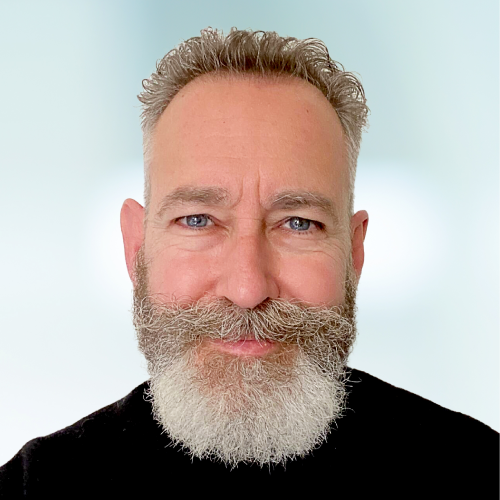
Louis Wustemann is a writer and editor on sustainability and health safety, previously Head of Regulatory Magazines at LexisNexis UK. He has published IOSH Magazine and The Environmentalist, among other titles, and is a trustee of the One Percent Safer Foundation.

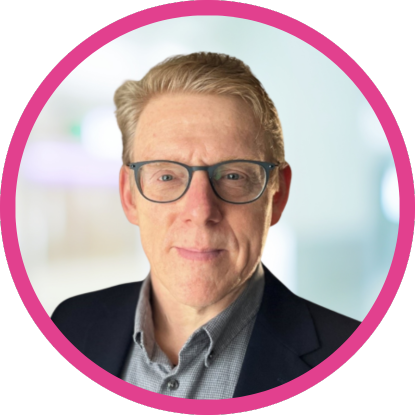
Paul Blundell has over 20 years of experience delivering enterprise EHS solutions. He is a Chartered Insurance Risk Manager with a Master's degree in Organizational Behavior, specializing in safety culture.