

Ideagen Wearable Safety
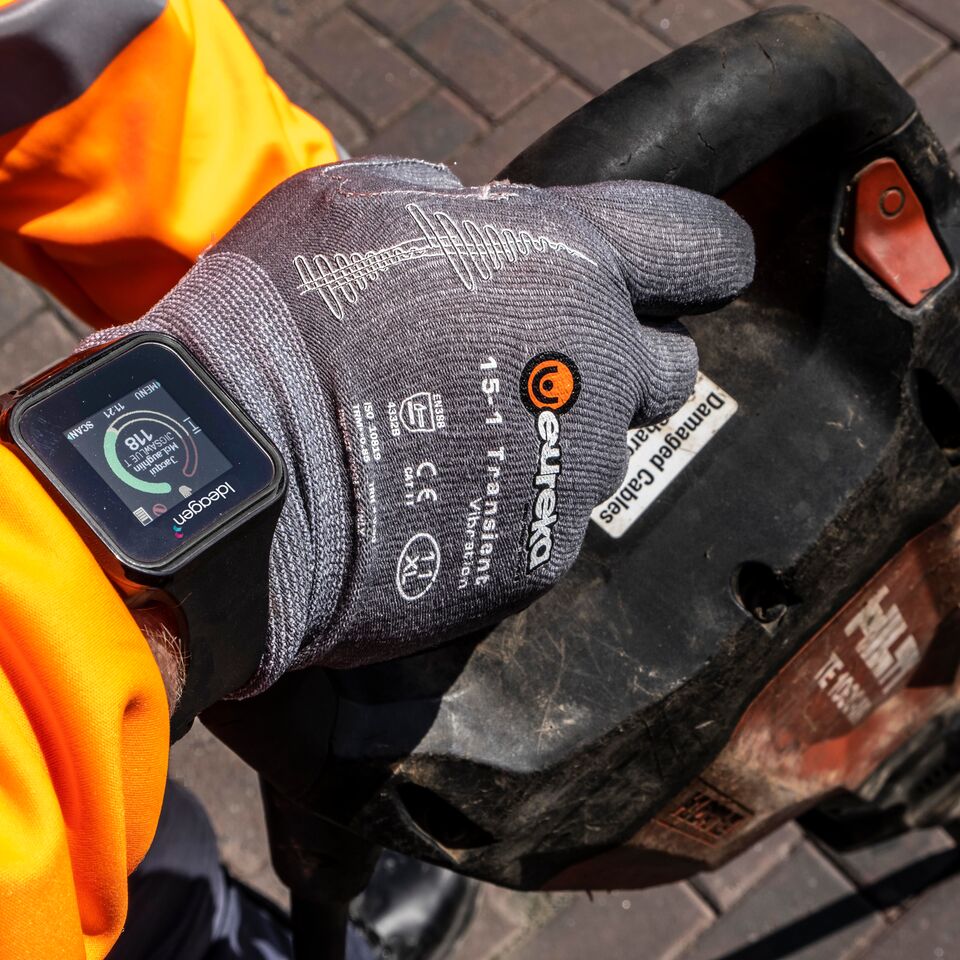
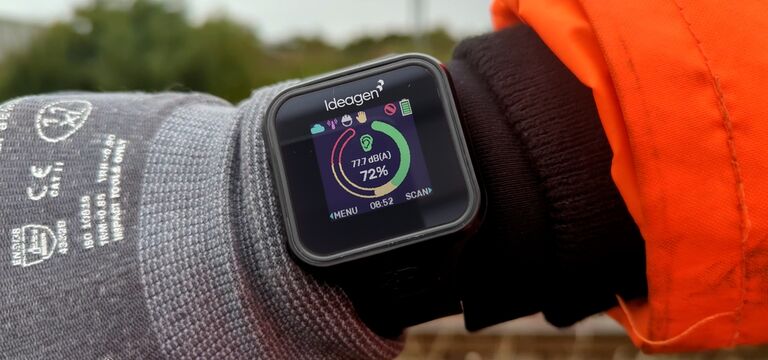
Wearable monitoring devices that protect your workers from HAVS, dust, noise and collision risks automatically.
Three steps to safer workplaces
Monitor, analyze and prevent workplace hazards through three integrated steps. First, workers wear lightweight devices that automatically track exposure to vibration, dust, noise, and collision risks in real-time. Next, cloud-based analytics show you exactly which workers, tools, and tasks create the highest exposure—with data that supports compliance. Finally, you can make data-driven changes to prevent injuries before they happen, not just react after the fact.

Who is the OSHA controlling employer on a shared contractor site?
Learn who the OSHA controlling employer is on a shared contractor site and what reasonable care means for inspection frequency, enforcement and records.
Best EHS software in 2026: a buyer's guide for your organization
Compare the top 6 EHS software platforms for 2026 using Verdantix analyst data. Find the right fit for your UK or global sites, risks and team.
Near miss underreporting: why do reports go missing and how can you spot it in your data?
Near miss underreporting hides behind a low count. Test your data with reports per supervisor, near miss to recordable ratio and time to close.
Why does one case swing TRIR for small employers and is it recordable or first aid?
Decide whether an injury is OSHA recordable or first aid, then see how one case swings TRIR for small employers at 20, 50, 100 and 500 employees.
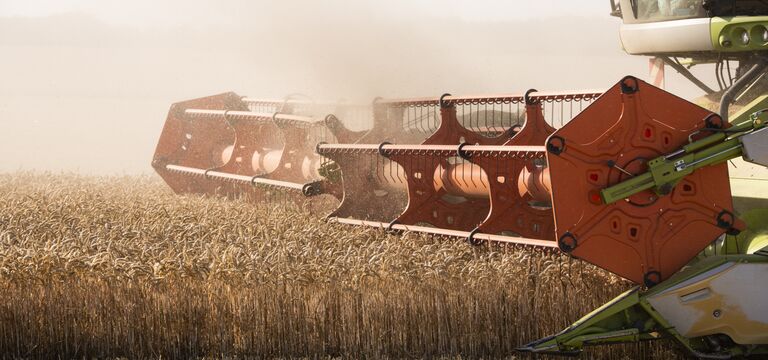
Agricultural machinery safety QLD: What the 2026 fixed plant campaign means for your farm
WHSQ’s Oct–Dec 2026 campaign targets fixed plant on QLD farms. Learn what’s in scope, what inspectors check, and how Ideagen Machine Safety can help.
No More Guesswork: Machinery Risk Assessments Built for Safer Operations
Machine-specific risk assessments built from 130,000+ makes and models. Identify hazards, get practical controls and stay aligned with WHS legislation.
Tier II inventory accuracy in manufacturing: why plant data drifts from the filing
Tier II inventory accuracy in manufacturing breaks down between the dock and the filing. See where plant chemical data drifts and how to close each gap.
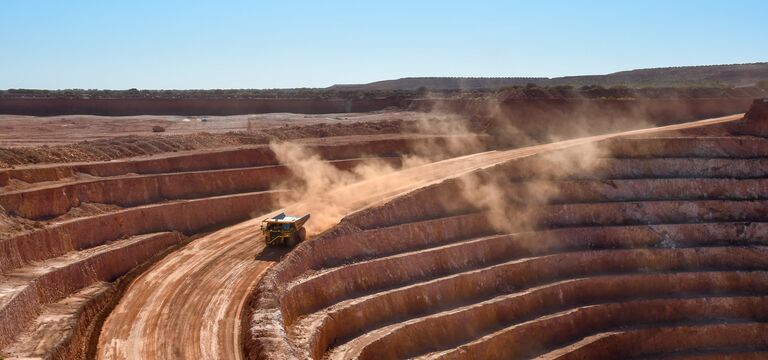
Workplace Exposure Limits Australia: What the move from WES to WEL means for mining
WES becomes WEL on 1 December 2026. See what changes for mining, how limits differ by state and how to measure exposure and prepare in time.
Why people follow safety rules only when watched: is it the worker or the system around the rule?
Rules followed only under observation point to habit, supervision and untested procedures. See how UK employers can test the system, not blame workers.
SDS, GHS and chemical inventories explained: the 16 sections and how they fit together
What is GHS? Learn the 16 safety data sheet sections, GHS labels and hazard classes and how to keep a chemical inventory, in plain English.