











Workplace dust monitoring for safer breathing environments

Nothing shuts down operations faster than an uncontrolled dust event. Your suppression strategies drain water resources whilst particulate levels spike unpredictably, traditional particulate matter assessment flags dangerous concentrations after exposure occurs and leadership demands proof that your dust programme actually prevents problems rather than just documents them.

Meanwhile, respiratory health claims mount whilst community relations deteriorate and regulatory pressure intensifies. Ideagen transforms proven workplace dust monitoring technology with embedded, contextual and pervasive AI intelligence that spots compliance risks before they impact operations.

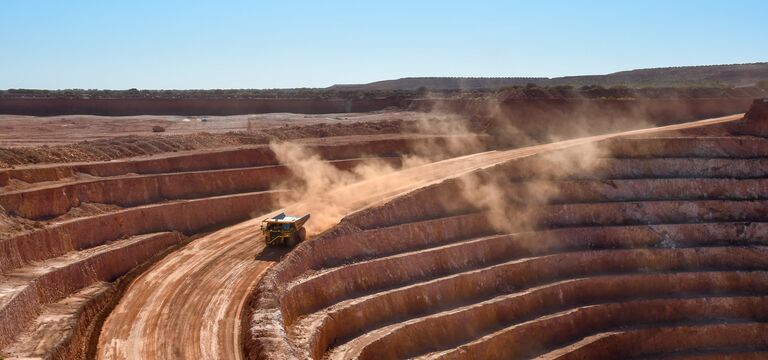
COLOUR-IMAGE_mining-work-machinery_Apr26
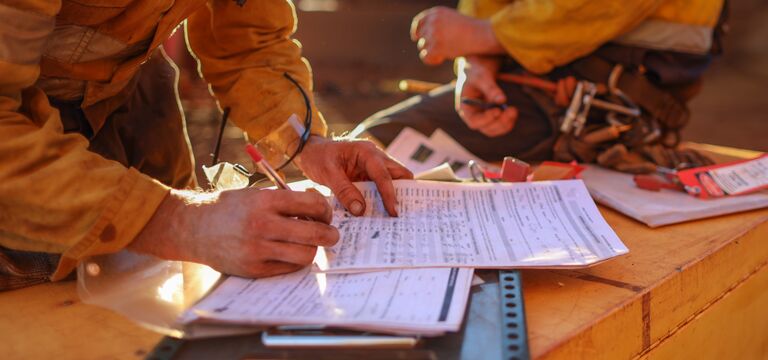
COLOUR-IMAGE_woodworker_feb26

Ideagen's intelligent workplace dust monitoring system

Real dust control happens when suppression strategies work as precisely as your operations demand.

Our distributed monitoring networks deliver comprehensive particulate matter assessment with real-time insights into particulate levels across your operation with 72-hour dust impact forecasts and hyperlocal weather modelling that pinpoints exactly where and when suppression is needed—helping you stay compliant whilst optimising water resources and avoiding blanket suppression strategies that drain budgets. 

Your operators need precision timing and targeted guidance, not guesswork about when dust events might develop. AI-enhanced semantic search finds relevant historical data even when exact terminology doesn't match, whilst automated workflow orchestration handles multi-step reporting processes and escalates issues based on your specific operational patterns. Proprietary AI algorithms automatically analyse high readings to determine causes and provide operational guidance for targeted mitigation strategies, delivering 50-70% faster response times whilst preventing costly shutdowns and community complaints. 

COLOUR-IMAGE_transport-loading-machine_Apr26

Delayed detection of hazardous concentration levels

Traditional monitoring flags dangerous levels after exposure occurs whilst workers remain unprotected and operations continue without awareness of developing risks. By the time alerts sound, dust exposure tracking reveals respiratory hazards have already impacted your people whilst low visibility creates serious safety hazards across your site.

24/7 real-time airborne dust measurement network pinpoints dust sources across operations with instant, colour-coded alerts that enable immediate workforce protection before conditions deteriorate.

Our embedded AI intelligence delivers smart alerting when concentration thresholds approach whilst predictive analytics model different weather and operational conditions to optimise operations 8 hours in advance, giving your teams robust planning time for the next work shift. 

COLOUR-IMAGE_construction-worksite-workers_Apr26

Manual tracking and documentation gaps

Paper logs and spreadsheets can't match the pace of dynamic exposure scenarios whilst creating audit vulnerabilities that concern regulators and stakeholders. Manual approaches mean uncertainty about dust level compliance whilst suppression strategies operate on guesswork rather than data-driven targeting.

AI-automated dust exposure tracking captures comprehensive exposure data continuously with operational guidance for targeted mitigation strategies, whilst low-cost airborne dust measurement networks help pinpoint dust sources so operators can act before conditions escalate.

AI analyses patterns using domain-specific environmental knowledge whilst automated compliance monitoring tracks regulatory changes and AI-powered content generation creates detailed compliance documentation with complete audit trails, delivering 30-50% reduction in routine documentation tasks. 

COLOUR-IMAGE_mining-truck_Apr26

Inability to connect dust levels with root causes

When particulate levels spike, identifying operational triggers shouldn't require investigative work whilst suppression resources get deployed inefficiently across entire sites rather than targeted hotspots. Traditional approaches mean discovering dust hotspots after community complaints arrive whilst water usage and chemical suppression costs escalate without strategic targeting.

Proprietary AI algorithms automatically analyse high readings on dust monitors to determine causes and provide operational guidance for targeted mitigation strategies. The system correlates elevated readings with specific operational activities using AI predictive risk management that identifies hidden patterns, enabling site-specific dust suppression strategies that minimise cost, impact and shutdowns whilst optimising production and saving mitigation costs in areas where they're not needed. 

Health and safety outcomes. G2 verified

Recognised by real users on G2, Ideagen's EHS solutions consistently earns top marks across our product range –
reflecting the trusted performance you'll find throughout our environment, health and safety portfolio.

g2-badge-website-ehs-01
g2-badge-website-ehs-02
g2-badge-website-ehs-03
g2-badge-website-ehs-04
g2-badge-website-ehs-05
g2-badge-website-ehs-06
g2-badge-website-ehs-07
g2-badge-website-ehs-08
g2-badge-website-ehs-09
g2-badge-website-ehs-10
g2-badge-website-ehs-11
g2-badge-website-ehs-12

Request a demo today

Environmental managers at mining and industrial operations where dust level compliance directly impacts operational continuity and community relations choose Ideagen's platform with pervasive AI intelligence when precision matters more than promises.

When dust violations can halt production lines and respiratory safety drives both regulatory compliance and community trust, you need workplace dust monitoring intelligence that prevents problems rather than just measures them. 

Who is the OSHA controlling employer on a shared contractor site?

Learn who the OSHA controlling employer is on a shared contractor site and what reasonable care means for inspection frequency, enforcement and records.

Best EHS software in 2026: a buyer's guide for your organization

Compare the top 6 EHS software platforms for 2026 using Verdantix analyst data. Find the right fit for your UK or global sites, risks and team.

Near miss underreporting: why do reports go missing and how can you spot it in your data?

Near miss underreporting hides behind a low count. Test your data with reports per supervisor, near miss to recordable ratio and time to close.

Why does one case swing TRIR for small employers and is it recordable or first aid?

Decide whether an injury is OSHA recordable or first aid, then see how one case swings TRIR for small employers at 20, 50, 100 and 500 employees.

Workplace Exposure Limits Australia: What the move from WES to WEL means for mining

WES becomes WEL on 1 December 2026. See what changes for mining, how limits differ by state and how to measure exposure and prepare in time.

Why people follow safety rules only when watched: is it the worker or the system around the rule?

Rules followed only under observation point to habit, supervision and untested procedures. See how UK employers can test the system, not blame workers.

SDS, GHS and chemical inventories explained: the 16 sections and how they fit together

What is GHS? Learn the 16 safety data sheet sections, GHS labels and hazard classes and how to keep a chemical inventory, in plain English.

EHS laws and regulators explained: HSE, WHS and HSWA, environmental permits and US recordable incidents

Learn what the HSE is in the UK, plus environmental permits, Australian and NZ WHS and HSWA laws and US OSHA recordable incidents, in plain English.

Emergency response plans explained: what to include and how to test them

What is an emergency response plan? Learn what to include, how to build one and how to test it with drills and tabletop exercises, in plain English.

What is a permit to work? How the process works and when you need one

What is a permit to work? Learn when you need one, the permit to work procedure step by step, key roles and common failures, in plain English.