


Thirty minutes, your real challenges, an honest look at how it would work across your sites. No slideshow marathon.
Food manufacturing software for quality teams
Standardize quality across every site, keep HACCP plans current and stay ready for whichever audit comes next, whether that's one plant or a whole network.

HACCP was always meant to be a living document, not a filed one.
What working with Ideagen actually looks like
65%
of the world's leading food and beverage brands run their food safety, quality and compliance on Ideagen.
75%
of businesses say rising costs are their biggest hurdle. Standardizing quality across every plant means doing more with less, not doing everything twice.
49%
of the industry is losing sleep over supply chain risk. Full visibility into suppliers and raw materials changes that.
66%
of business leaders faced labor shortages. When headcount on the plant floor is tight, every hour lost to manual audit prep is an hour too many.


Where the real risk actually sits
The SOP on the wall isn't always the SOP people are actually following. A HACCP plan was solid when it was signed off and hasn't been touched since. A certificate of analysis sits in an inbox, and nobody's checked it against the spec in months. On its own, each of these is manageable. It's this kind of drift, spread quietly across a plant or a whole network, that turns a single line failure into a brand-wide recall
This is built for Quality Managers, Technical Managers, Heads of Compliance and Regulatory Affairs, QA and Assurance Leads, and the procurement and sourcing teams managing the raw material risk further upstream, whether that's for one plant or 50.
SOPs and controls that exist in one form at head office and another on the plant floor
HACCP plans validated once at launch and rarely revisited since
Non-conformances closed locally, with the same fault resurfacing at another site
Supplier and raw material approval running on email threads and PDF certificates, not verified data
Weeks of manual evidence-gathering before every BRCGS, SQF, FSSC 22000 or IFS audit
The same evidence exercise repeated separately for every scheme, every time

One standard, every site, without the manual chase

Keeping every plant on the same standard
Consistency doesn't come from a policy document. It comes from every site opening the same current SOP, following the same control, and recording it the same way. Push an update out from one place and it lands everywhere at once, with sign-off tracked to the individual. See quality and non-conformance data from every plant side by side, so a pattern at one site is caught before it repeats at the next.

HACCP plans that keep pace with the plant
A HACCP plan is only worth as much as its last honest review. Set reviews to run on schedule and escalate the moment one is overdue. When a process, ingredient or piece of equipment changes, revalidation is triggered rather than remembered. Link CCP monitoring straight to the plan it supports, so drift shows up now, not at the next review.
Fewer surprises when the auditor calls
Most audit stress isn't really about the audit itself. It's about the fortnight beforehand. When your evidence is already current and already in one place, that fortnight gives itself back. Pull an evidence pack for BRCGS, SQF, FSSC 22000 or IFS on demand, built from live data rather than reconstructed the night before. Track certification scope and expiry for every site on one screen, and turn a recurring finding into a corrective action that's checked against every other plant before it can reappear somewhere else.
Catching a supplier problem before it reaches the plant
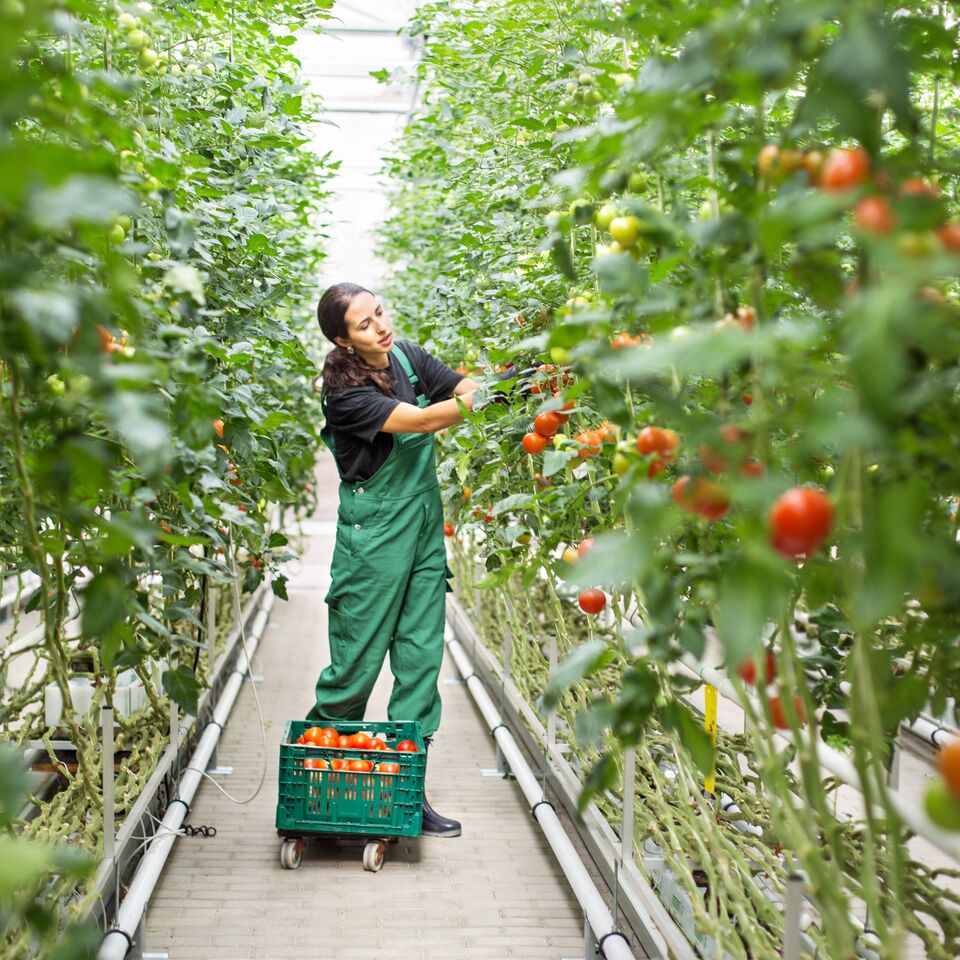
The risk that shows up on your line usually started before the goods arrived. Onboard suppliers through one structured route that captures documentation, certification and risk assessment together. Check certificates of analysis against the specification they're meant to meet automatically, so exceptions get flagged rather than read past. Keep each supplier's history next to what they actually supply, and a slipping supplier shows up as a trend rather than an incident. For risk that sits further upstream than your direct suppliers, the Ideagen Supplier Intelligence hub picks up from there.

Stopping the same fault from reappearing three sites over
Anyone can close a non-conformance. Closing it so it doesn't come back is the harder and more useful skill. Run root cause and CAPA through one workflow that looks the same at every site, so a fix at one plant isn't reinvented at the next. Watch the trends across the whole network, not just one plant's records, and verify that a corrective action actually worked, so closed means solved and not just logged.
It's one connected platform, which mostly means you stop being the integration between five different systems.
Three connected parts, one shared record
Organization type
Single-site manufacturers
A strong foundation, built to grow with you
Even with one plant, HACCP drift and audit-day scramble cost exactly the same in stress. Get the same standardized workflows that enterprise teams rely on, sized for where you are today, so nothing needs rebuilding when a second site joins the group.
Organization type
Multi-site and regional groups
Consistency across every plant you already run
Push one SOP, one control and one quality standard to every site at once, and see the data from all of them side by side, so a pattern at one plant is caught before it repeats at the next.
Organization type
Global and enterprise manufacturers
Group-level oversight, without losing the detail
Manage food safety and compliance for a network spanning regions, brands and certification schemes, with governance at group level and the same standard applied at every facility underneath it.
In their own words

“
The evidence is in place well before an auditor arrives, not pulled together once a visit's booked.

“
We stay audit-ready for IFS and ASC at all times, with issues escalated automatically so nothing gets missed.
See how it works for manufacturers








Frequently asked questions
One platform. HACCP, CCP monitoring, audit and certification tracking, CAPA and supplier approval all run off the same data, so a finding in one area shows up in the others instead of hiding in a system nobody else opens.
Yes. You capture the evidence once and map it to whichever standard is asking, whether that's BRCGS, SQF, FSSC 22000 or IFS, rather than running a separate exercise for each.
All three. It's built for consistency at any scale, from a first site working toward certification to a group running dozens of facilities, with the same workflow underneath either way.
Each certificate is checked against the specification it's meant to satisfy, and anything outside spec is flagged automatically, instead of someone reading every certificate by hand and hoping to catch the exception.
Both, working together. Plant-level food safety and first-tier supplier approval are covered here. For visibility several tiers upstream, food fraud, origin verification, deforestation-free sourcing and animal welfare data, Ideagen Supply Chain extends into that layer, and the Supplier Intelligence hub is where to see it in full.
Still have questions?
Ideagen's food and beverage specialists can walk you through the platform, your specific schemes, or anything else your team is weighing up.